Residential fumigation requires careful planning to protect the property, comply with regulations, and avoid security risks while the home is vacant. During fumigation, properties are temporarily unoccupied, clearly marked, and inaccessible, creating unique exposure. In these situations, fumigation security guard services provide controlled oversight to prevent unauthorized access and ensure the site remains secure throughout the process.
Understanding how to prepare for residential fumigation helps homeowners reduce risk, avoid delays, and ensure the fumigation proceeds safely from start to finish.
Why Fumigation Creates a Security Risk
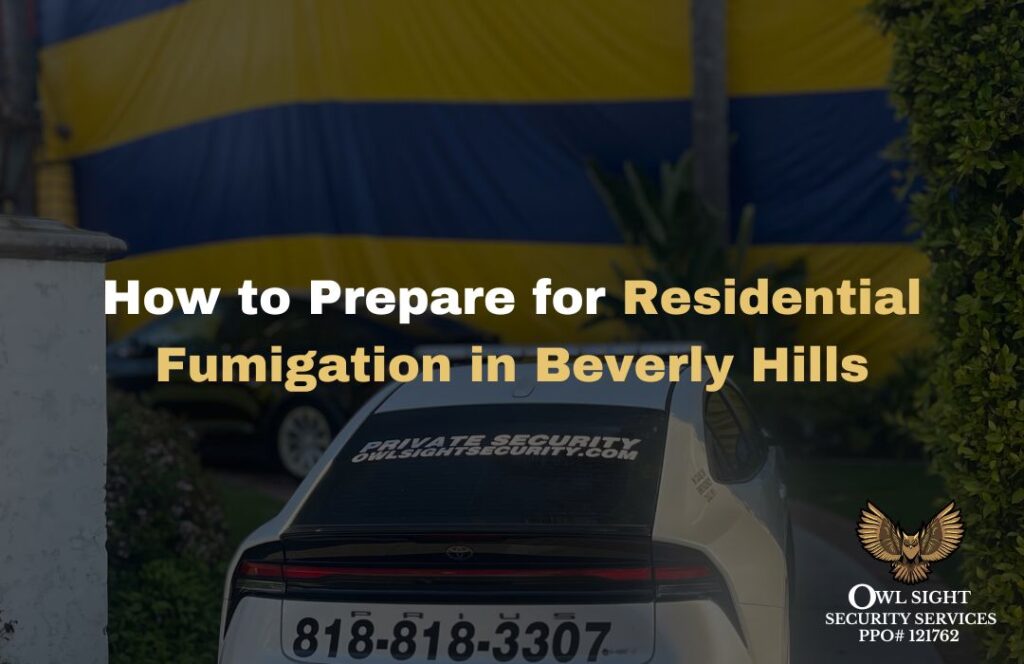
Once a home is tented, it signals vacancy to the surrounding area. Doors and windows remain sealed, residents leave the property, and activity stops for an extended period.
These conditions attract trespassers, curious individuals, and opportunistic theft attempts. Without active oversight, unauthorized entry can occur even when warning signage is present.
Preparation must account for both pest control requirements and the temporary loss of occupancy and visibility.
What Homeowners Should Secure Before Fumigation Begins
Proper preparation starts before the tent goes up. Securing the property reduces risk and prevents complications during treatment.
Key preparation steps include:
- Removing valuables and personal items
- Locking all access points before sealing
- Notifying neighbors of the fumigation schedule
- Confirming utilities are handled per fumigator instructions
- Establishing security coverage during vacancy
These steps help maintain control while the property remains inaccessible.
How Security Guards Protect Tented Properties
Security guards assigned to fumigation sites focus on access control and visibility. Guards prevent unauthorized individuals from approaching or entering the property during treatment.
They monitor the perimeter, verify authorized personnel, and respond immediately to suspicious activity. This presence deters interference that could compromise the fumigation or cause liability issues.
This oversight plays a critical role in how to prepare for residential fumigation when safety and compliance matter.
Why Location Influences Fumigation Preparation
Fumigation preparation varies by location and surrounding activities. Homes in dense or high-traffic areas face greater exposure during vacancy.
Properties in Los Angeles often experience higher foot traffic and neighborhood activity, which increases the need for perimeter monitoring. Homes in Long Beach may face similar challenges due to mixed-use surroundings and shared access areas.
Local conditions determine the level of oversight required during the fumigation period.
How Security Supports Compliance and Liability Reduction
Fumigation involves strict safety rules. Unauthorized entry can expose individuals to hazardous chemicals and create serious liability for homeowners.
Security guards help ensure compliance by keeping the site clear and documenting activity. Their reports confirm that warning signs remain intact and access remains controlled.
This documentation protects homeowners if disputes or incidents occur during treatment.
Coordinating Fumigation and Security Schedules
Preparation requires coordination between the fumigation company, security provider, and homeowner. Clear schedules prevent gaps in coverage.
Security coverage should begin as soon as the property is vacated and remain in place until fumigation is complete and clearance is confirmed. This coordination ensures continuous oversight.
Planning these details in advance prevents last-minute issues and unnecessary exposure.
Choosing the Right Support During Fumigation
Not all security providers understand the specific needs of fumigation sites. Guards must know how to enforce access without interfering with pest control procedures.
A qualified provider understands perimeter control, documentation requirements, and coordination with fumigation professionals.
Owl Sight Security Services provides trained guards who understand fumigation site protocols, access control, and professional enforcement. Their structured approach supports homeowners throughout the fumigation process.
Failing to understand how to prepare for residential fumigation often leads to avoidable risk and complications during vacancy.
Frequently Asked Questions
Why does fumigation require additional security planning?
Fumigation requires additional planning because the property becomes vacant and clearly marked, which increases the risk of unauthorized access.
What risks exist if someone enters a fumigated property?
Unauthorized entry can expose individuals to hazardous chemicals and create serious liability for the homeowner.
How does security help prevent fumigation delays?
Security helps prevent delays by ensuring the tent remains undisturbed and access rules are enforced throughout treatment.