

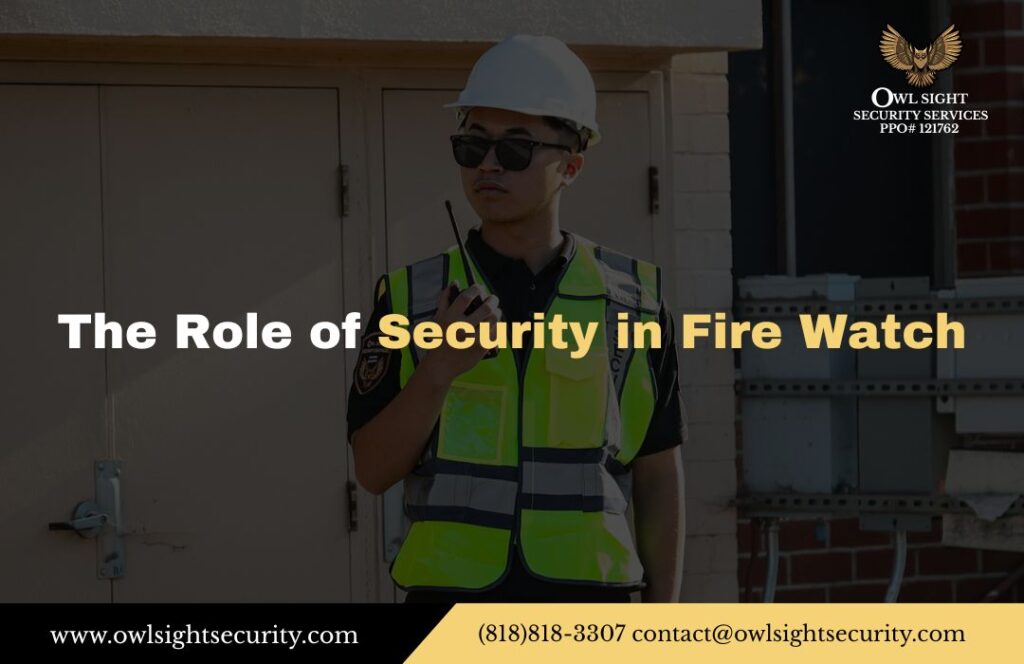
When fire alarm or suppression systems are impaired, properties immediately face elevated risk and regulatory exposure. During these periods, human oversight becomes the primary line of defense against fire hazards. This is why property owners rely on security guards for fire watch to monitor conditions, identify risks, and respond quickly while systems remain offline.
Understanding the role of security in fire watch begins with recognizing that fire watch is an active safety function, not a passive assignment.
Why Fire Watch Requires Constant Human Oversight
Fire protection systems exist to detect hazards instantly. When those systems fail, even temporarily, response depends entirely on observation and action.
Without continuous monitoring, small issues such as overheating equipment, blocked exits, or unsafe activity can escalate rapidly. Properties with occupants, contractors, or electrical work face even greater exposure during these windows.
Fire watch fills the gap until systems return to service.
How Security Guards Identify Fire Hazards in Real Time
Security guards assigned to fire watch actively patrol designated areas rather than waiting for alerts. They observe environmental conditions, equipment status, and human activity that could increase fire risk.
Guards ensure exits remain clear, flammable materials stay controlled, and unsafe behavior receives immediate attention. This real-time awareness prevents escalation.
These responsibilities define the role of security in fire watch beyond simple presence.
Core Responsibilities of Fire Watch Security Guards
Fire watch security guards perform specific duties tied directly to safety and compliance.
Their primary responsibilities include:
- Conducting continuous patrols of affected areas
- Monitoring for smoke, heat, or unsafe conditions
- Ensuring exits and fire lanes remain unobstructed
- Enforcing fire safety procedures
- Documenting patrol activity and observations
Each responsibility supports life safety and regulatory compliance.
Why Fire Watch Security Supports Compliance Requirements
Fire departments and inspectors often mandate fire watch coverage when systems are impaired. Failure to comply can result in citations, shutdowns, or denied occupancy.
Trained security guards understand patrol intervals, documentation standards, and communication protocols required during fire watch assignments. Their presence demonstrates due diligence.
Compliance protects occupants and operations.
How Fire Watch Security Protects Occupants and Property
Fire watch security allows buildings to remain occupied or operational during repairs without compromising safety. Guards maintain vigilance while coordinating with staff, contractors, and emergency responders if needed.
This coverage prevents unnecessary closures while prioritizing protection. Security provides stability during uncertain conditions.
This function reinforces the role of security in fire watch as both a safety and operational necessity.
Why Professional Fire Watch Security Matters
Fire watch assignments demand focus, training, and discipline. Guards must understand hazards, patrol requirements, and emergency response procedures.
Professional fire watch security reduces liability, supports inspections, and protects lives. Documentation also provides critical records if questions arise.
Owl Sight Security Services provides trained professionals experienced in fire watch coverage, hazard monitoring, and compliance reporting. Their structured approach ensures properties remain protected throughout fire system outages.
Ignoring the role of security in fire watch often leads to avoidable risk during critical safety gaps.
Frequently Asked Questions
How often do fire watch guards patrol?
Patrol frequency depends on local fire department requirements and site conditions.
Can fire watch guards document compliance?
Yes, detailed patrol logs support inspections and regulatory compliance.
Is fire watch needed for occupied buildings only?
No, vacant and partially occupied properties may also require coverage.